


For anyone weighing up the Golden Visa, Portugal's residency-by-investment programme, the timing is hard to ignore.
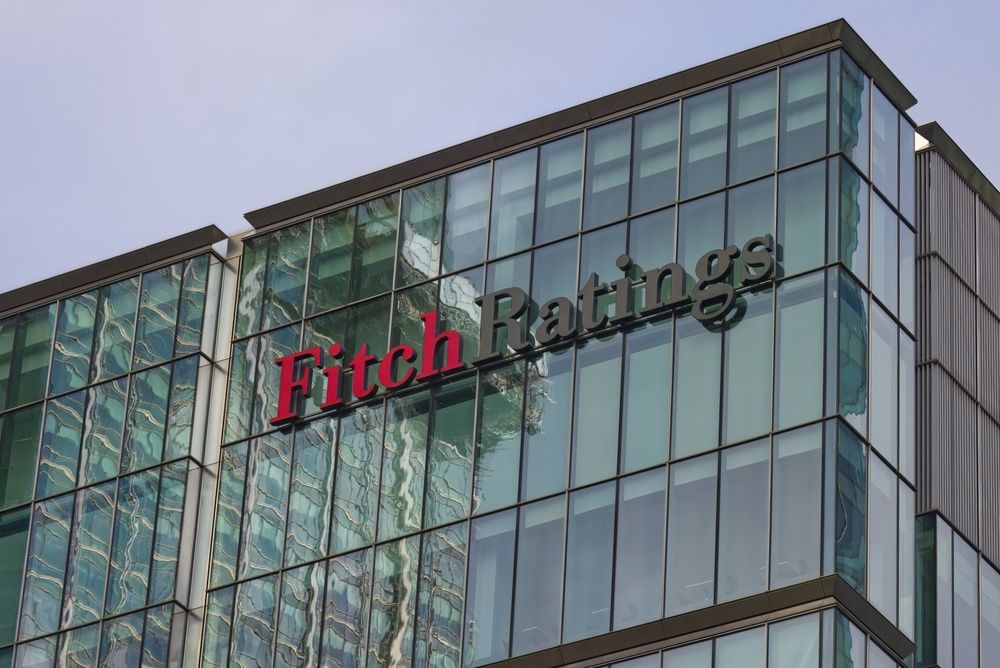
Fitch's upgrade landed on 5 September 2026, restoring a rating not seen since 2011 and putting Portugal on the same rung as France and Belgium. The agency cited falling public debt, budget performance that has repeatedly beaten expectations, and persistent current-account surpluses, and it expects general government debt to fall from 89.7% of GDP in 2025 to 87.0% in 2026, and on to 82.9% by 2028.
Finance minister Joaquim Miranda Sarmento called the upgrade "another great victory for Portugal", while President António José Seguro predicted it would be remembered as one of 2026's most significant economic stories.
That follows The Economist's decision in December 2025 to name Portugal its economy of the year, ranking it first among 36 wealthy nations on inflation, GDP growth, employment and stock market performance. The economy grew 2.4% in the third quarter of 2025, and the local stock market rose 20.9% over the year.
Two independent verdicts within months of each other, one on fiscal resilience and one on broad economic performance, are the kind of external validation that matters to anyone considering Portugal as a place to invest and live. Sovereign ratings feed directly into borrowing costs, and a higher rating generally signals lower risk to investors assessing where to place capital.
That is where the Golden Visa comes in.
Since real estate and capital transfers were removed as qualifying routes in October 2023, the programme has run on alternatives: a minimum €500,000 investment in a CMVM-regulated venture capital or private equity fund, at least €500,000 into scientific or technological research, a minimum €250,000 contribution to arts, culture or national heritage preservation, or company formation that creates jobs.
Reduced thresholds apply for some routes when the investment goes to a low-density area, though these are often limited in number and not always available.

Neither the credit upgrade nor the growth story changes those thresholds, but they strengthen the case for the capital sitting behind them, since most remaining routes channel money into the productive economy, whether through venture funds, research institutions or job-creating businesses, rather than into property.
Paul Stannard, chairman and founder of Portugal Pathways and the Portugal Investment Owners Club, said the timing reinforces what many clients have been asking about this year. "Investors want to know the fundamentals behind the programme are sound, not just the mechanics of qualifying. Two independent bodies confirming Portugal's direction of travel within months of each other gives that reassurance."
Golden Visa applicants should take independent legal and financial guidance before committing capital.
If you are exploring Portugal's Golden Visa and want to understand how the current investment routes and thresholds apply to your circumstances, Portugal Pathways can talk you through the options and connect you with the right regulated advisers.
 Add as a preferred source on Google





 Portugal Handbook
 English
 Nederlands
 Deutsch
 Français
 Español
 Italiano
 Svenska
 Pусский
 中文
中文 Türkçe
 Português
 Czech
Czech Hungarian
 Polski
 عربي
عربي Suomi
Suomi עִברִית
 Português (Brasil)
Follow us on social media