


There is no shortage of women making ambitious contemporary art in Portugal.
This year, women account for 60% of the 30 finalists selected for the Sovereign Portuguese Art Prize, the highest proportion of female finalists since the Prize began. Their names will remain under wraps until early October, but the composition of the shortlist is already something worth reflecting on.
The Prize, established by the Sovereign Art Foundation (SAF), is open to Portuguese artists as well as artists of any nationality residing in Portugal. Alongside the overall Grand Prize and Public Vote Prize sits the relatively new Women’s Prize, introduced in 2025 to create additional recognition and opportunity for female artists.
Its existence responds to a well-documented imbalance. Women have always been making significant art, but the institutions and markets surrounding it have not historically afforded them the same visibility, recognition or commercial opportunity as their male counterparts. While that picture is changing, the gap has not disappeared.
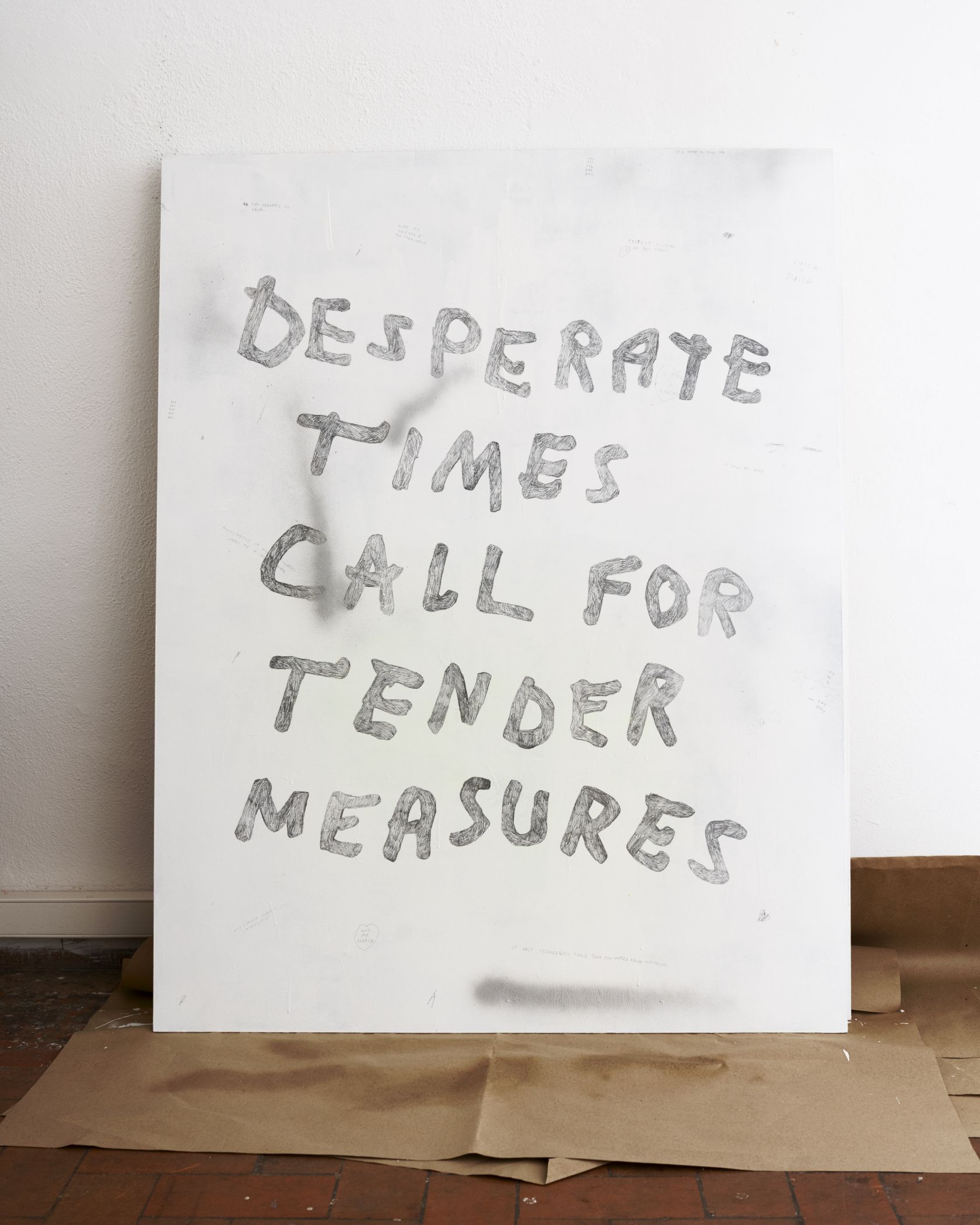
Credit: Wasted Rita, Desperate Times Call for Tender Measure, 2025 finalist
The numbers behind the picture
The imbalance remains striking.
The Burns Halperin Report examined acquisitions and exhibitions across 31 major US museums between 2008 and 2020. Just 11% of acquisitions and 14.9% of exhibitions during that period were of work by female-identifying artists.
The commercial market shows signs of progress, particularly among younger artists. Artsy's analysis of the 2022 auction market found that works by women accounted for just 9% of sales overall, but that share rose to 44% among artists born from 1975 onwards.
More recent research suggests the picture continues to improve. The 2026 Art Basel and UBS Art Market Report found that women now represent 45% of artists represented by dealers, up from 35% in 2018. Yet at galleries turning over more than $10 million, women represented just 35% of artists and 27% of sales by value.
The picture, then, is changing, but it is far from resolved. And the imbalance is about more than visibility. It shapes whose work is exhibited, collected, valued and ultimately becomes part of the wider story of art. Women have always made significant work; what has not been equally distributed are the opportunities and structures that allow that work to be seen, supported and remembered. This is why initiatives specifically supporting women artists continue to matter.
What happens after recognition?
The inaugural Sovereign Portuguese Art Prize Women’s Prize was awarded to Alice Marcelino in 2025.
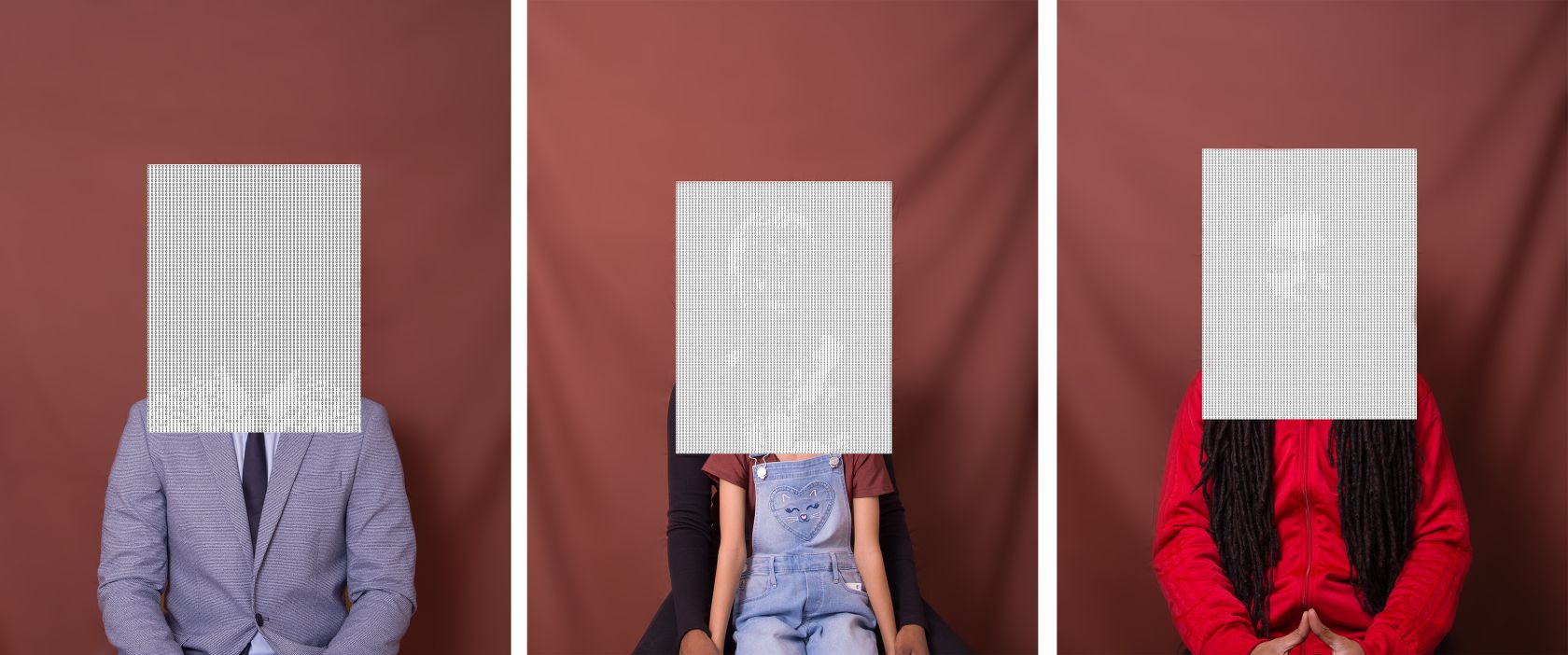
Credit: Alice Marcelino, Black Skin White Algorithm. Winner of the inaugural Women's Prize, 2025.
Looking back on the experience, Marcelino describes the recognition as something that extended beyond the award itself.
“Winning the inaugural Women’s Prize was a meaningful moment for me, both personally and professionally. To have my work recognised in this way, particularly as a woman artist working across questions of identity and belonging, felt like an affirmation of the importance of the stories I have been exploring through my practice.”
For Marcelino, its value also came through what followed.
“The recognition created new conversations and connections, and encouraged me to think more ambitiously about where my work can go and the audiences it can reach.”
Her experience raises an interesting question about what an art prize can achieve. Financial recognition matters, but meaningful support for an artist can also mean sustained visibility, introductions to curators and collectors, opportunities to exhibit or undertake residencies, production support, professional guidance, or simply the time and space needed to develop new work.
And those needs will not be identical for every artist.
SAF is now considering how the Women’s Prize can evolve further, looking beyond a single moment of recognition towards opportunities that can respond to the individual ambitions of the artist.
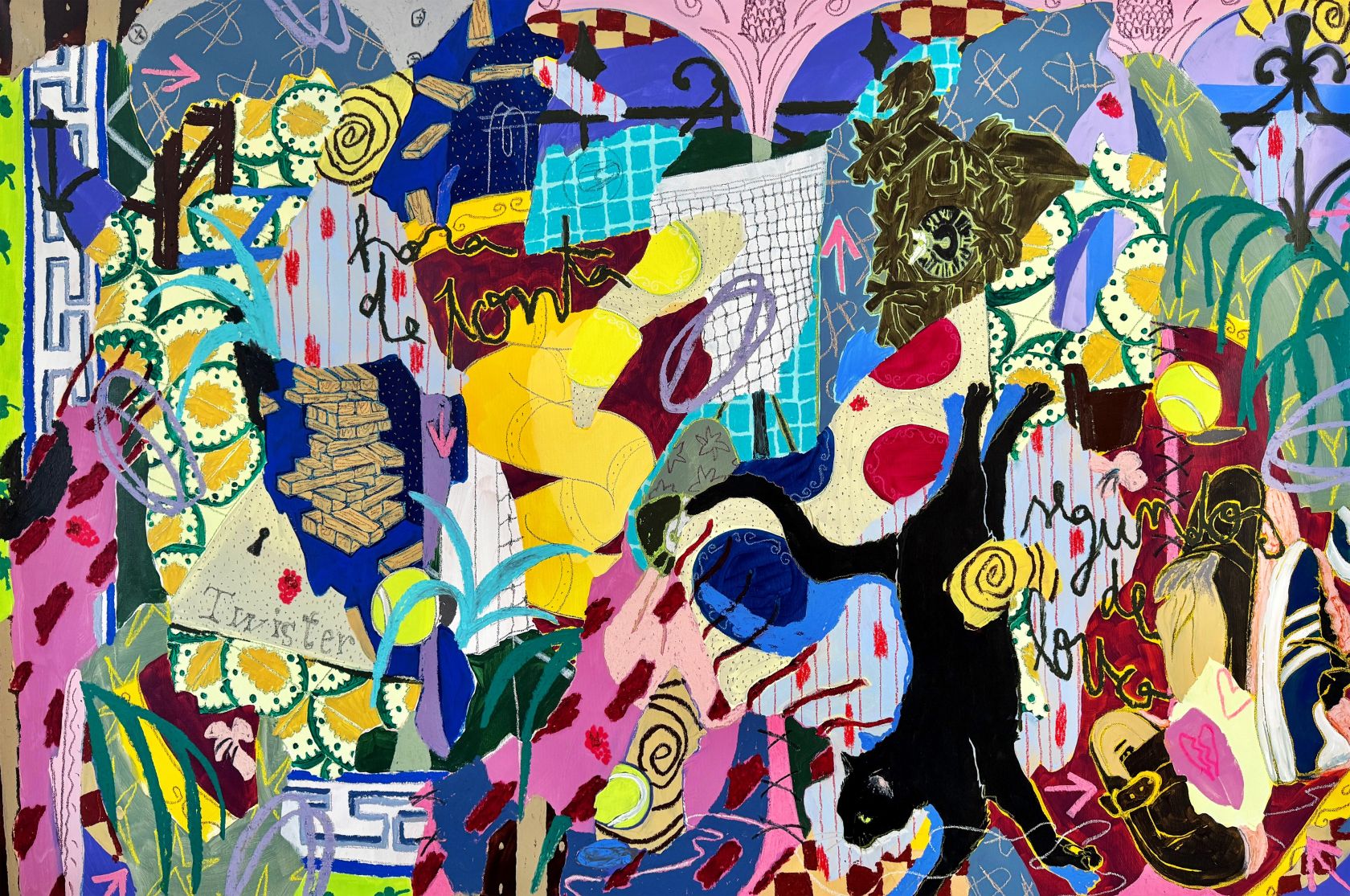
Credit: Ana Malta, País das Maravilhas, 2025 Public Vote winner
Women creating spaces for others
Creating platforms for female artists does not only happen through prizes.
This autumn, two women artists will share their practices through SAF’s free community programme in Lisbon.
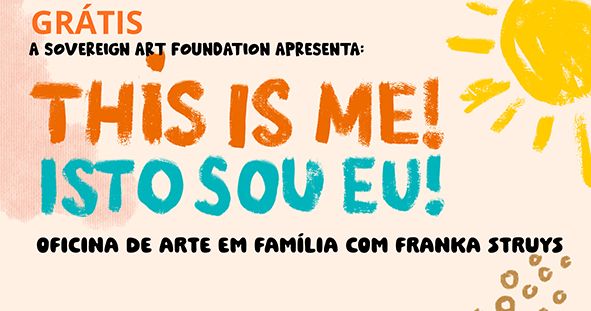
On 20 September, Franka Struys will lead a family workshop at Dona Ajuda built around the question, What makes you, you? Children will explore identity through colour, shape, texture, nature and storytelling, creating their own interpretations of a self-portrait.
Then, on 18 October, Portuguese-South African artist Vanessa Teodoro will host a workshop within her new exhibition, MOTHER.
The exhibition turns towards the many faces of the feminine: motherhood, Mother Earth, the artisan’s hand and the relationships between women, memory and inheritance. Teodoro’s own works sit alongside pieces created collaboratively with women artisans across two continents, including beadwork from Cape Town and traditional Arraiolos embroidery from Portugal.
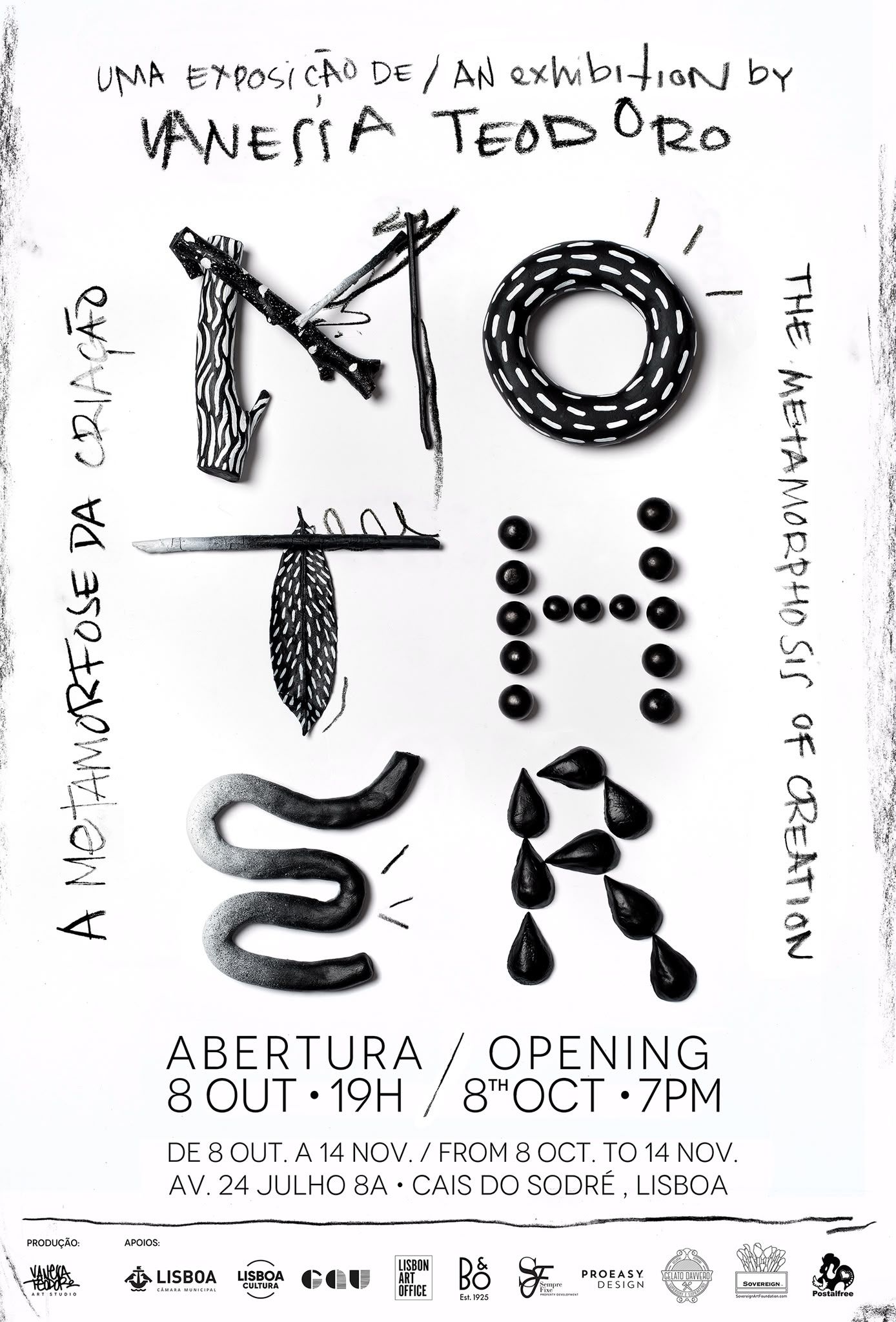
Reclaimed wood, terracotta, leaves and branches gathered on the artist’s walks also become part of the work, carrying their own histories into the gallery.
There is something particularly fitting about inviting children and families into an exhibition concerned with inheritance and generational relationships. Knowledge, stories and ways of making pass between generations, but each generation also transforms what it receives.
More than one kind of support
These workshops and the Women’s Prize have very different purposes, but they reflect a broader principle running through the Foundation’s work.
Supporting artists can mean awarding prizes and exhibiting their work, but it can also mean creating opportunities to speak, teach, experiment and encounter new audiences. Supporting communities, meanwhile, can mean allowing people to experience contemporary art not as something distant, but as something in which they can actively participate.
The relationship becomes circular. Artists are supported through prizes and exhibitions. Their ideas and practices can subsequently reach children, families and wider audiences through workshops and talks. Funds generated through the Prize help support SAF’s charitable programmes, including expressive arts therapy for children and young people.
Art, in other words, creates opportunities for more art.
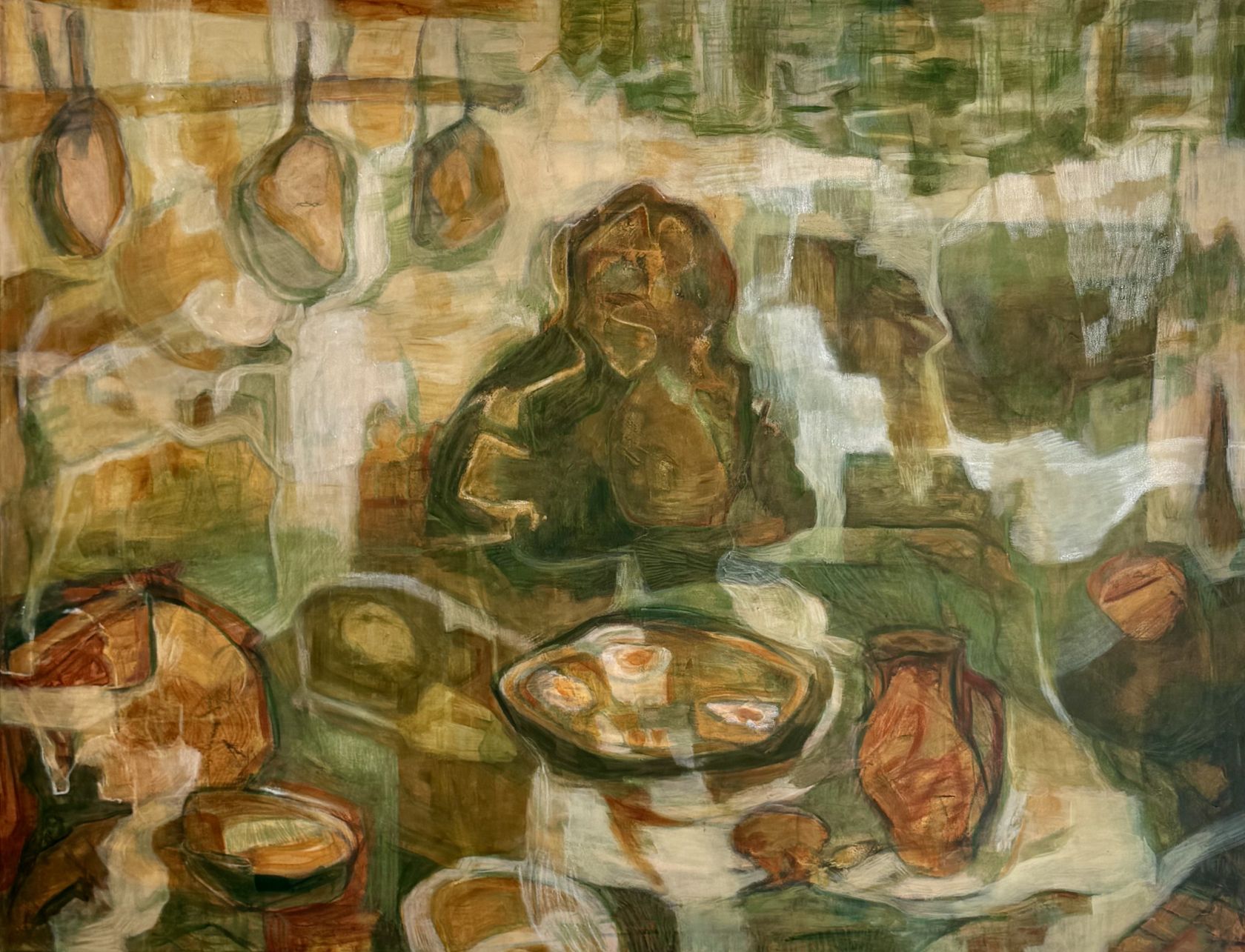
Credit: Joana Mollet, Ermelinda: Do Passado Só Restam Migalhas
A shortlist worth celebrating
The fact that women make up 60% of this year’s Professional Prize finalists should not be interpreted as evidence that gender inequalities in the art world have disappeared. Nor should progress be measured by a single percentage.
But it demonstrates something important: the talent is here.
Women are producing ambitious work and building significant professional practices in Portugal. The issue is no longer whether they are present, but what happens once they are seen: who collects their work, who exhibits it, who invests in their careers, and whether recognition can become something more enduring than a moment of attention.
In early October, the 30 finalists of the 2026 Sovereign Portuguese Art Prize will be revealed, beginning the countdown to the exhibition at Lisbon’s Sociedade Nacional de Belas-Artes this November. With women representing 60% of this year’s finalists, there is much to celebrate. But perhaps the more important conversation is about what comes next.
If women are already making the work, are we building an art world capable of giving that work the space, value and permanence it deserves?
To learn more about The Sovereign Portuguese Art Prize:
https://www.sovereignartfoundation.com/the-sovereign-portuguese-art-prize/
Vote online and explore the shortlisted Student Prize artworks:
https://www.sovereignartfoundation.com/sp-portugal/
Find out more about the Sovereign Art Foundation’s work in Portugal:
https://www.sovereignartfoundation.com/expressive-arts-programme-portugal/
Follow SAF Portugal on Instagram:
@sovereignartfoundationportugal
Sovereign Art Foundation Portugal
📧 Tanya@sovereignartfoundation.com
 Add as a preferred source on Google





 Portugal Handbook
 English
 Nederlands
 Deutsch
 Français
 Español
 Italiano
 Svenska
 Pусский
 中文
中文 Türkçe
 Português
 Czech
Czech Hungarian
 Polski
 عربي
عربي Suomi
Suomi עִברִית
 Português (Brasil)
Follow us on social media