


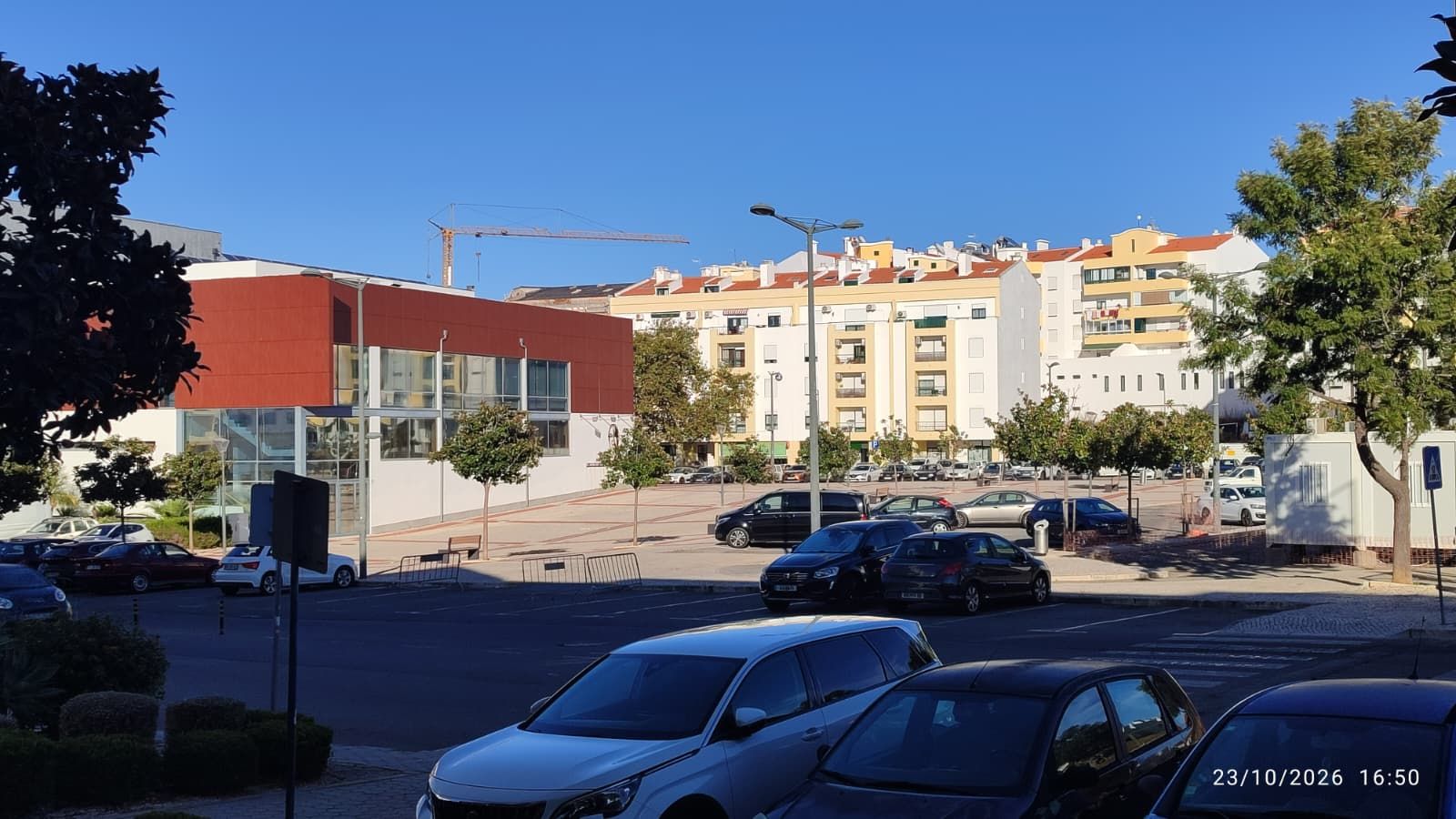
These are important priorities, especially in a country that faces difficulties in accessing housing. However, there is an opportunity that I consider insufficiently valued: to make better use of the buildings and urban spaces that already exist. Portugal has ageing real estate assets, vacant properties, old industrial facilities and commercial spaces that no longer meet current needs. Their recovery and reconversion can represent an opportunity not only for the real estate sector, but also for the economic development of cities.
Urban regeneration should not be understood exclusively as the physical rehabilitation of buildings. Its true potential lies in its ability to transform areas that have lost population, economic activity or urban relevance into new attractive spaces to live, work and invest. An old industrial facility can host companies, services or cultural activities. An office building that is not suitable for current needs can, when technically feasible, be adapted to new uses. These transformations make it possible to build on existing infrastructure, reduce pressure on new land and create investment opportunities in areas that already have accessibility, equipment and services.
There is also an economic dimension that deserves greater attention. The recovery of buildings can boost construction, architecture, engineering and specialised services companies, but its benefits can go far beyond the construction phase. When a vacant space is used again, it can generate demand for local commerce, attract new activities and contribute to recovering the vitality of a street or neighbourhood. However, not all conversions are financially viable. Adaptation costs, the structural characteristics of properties and regulatory requirements can limit certain projects. Therefore, urban regeneration requires knowledge of the market, planning and the ability to find economically sustainable uses.
Municipalities have a decisive role here. Urban planning should identify the buildings and areas with the greatest potential for transformation, facilitate the articulation between owners and investors and ensure that new projects respond to the needs of the territory. It is also important to prevent real estate appreciation resulting from regeneration from driving away residents and existing economic activities. The creation of more balanced cities requires diversity of uses, affordable housing, quality public spaces and conditions for different types of businesses. Technology and new working models can help develop more flexible spaces, but urban quality continues to depend on how people use and share the city.
Portugal needs to continue to build new housing and infrastructure, but it cannot ignore the economic potential of the heritage it already has. Urban regeneration can contribute to reducing waste, making better use of public investments made over decades and creating new opportunities for the private sector. The success of this transformation should not be measured only by the number of buildings restored or the increase in their commercial value, but also by the economic activity created, the services available and the quality of life provided. The future of Portuguese cities does not depend exclusively on what we are still going to build. It also depends on the intelligence with which we can transform what we have already built.
Set The Portugal News as your preferred source for news on Google
 Add as a preferred source on Google


 Portugal Handbook
 English
 Nederlands
 Deutsch
 Français
 Español
 Italiano
 Svenska
 Pусский
 中文
 Türkçe
 Português
 Czech
 Hungarian
 Polski
 عربي
 Suomi
 עִברִית
 Português (Brasil)

Follow us on social media