


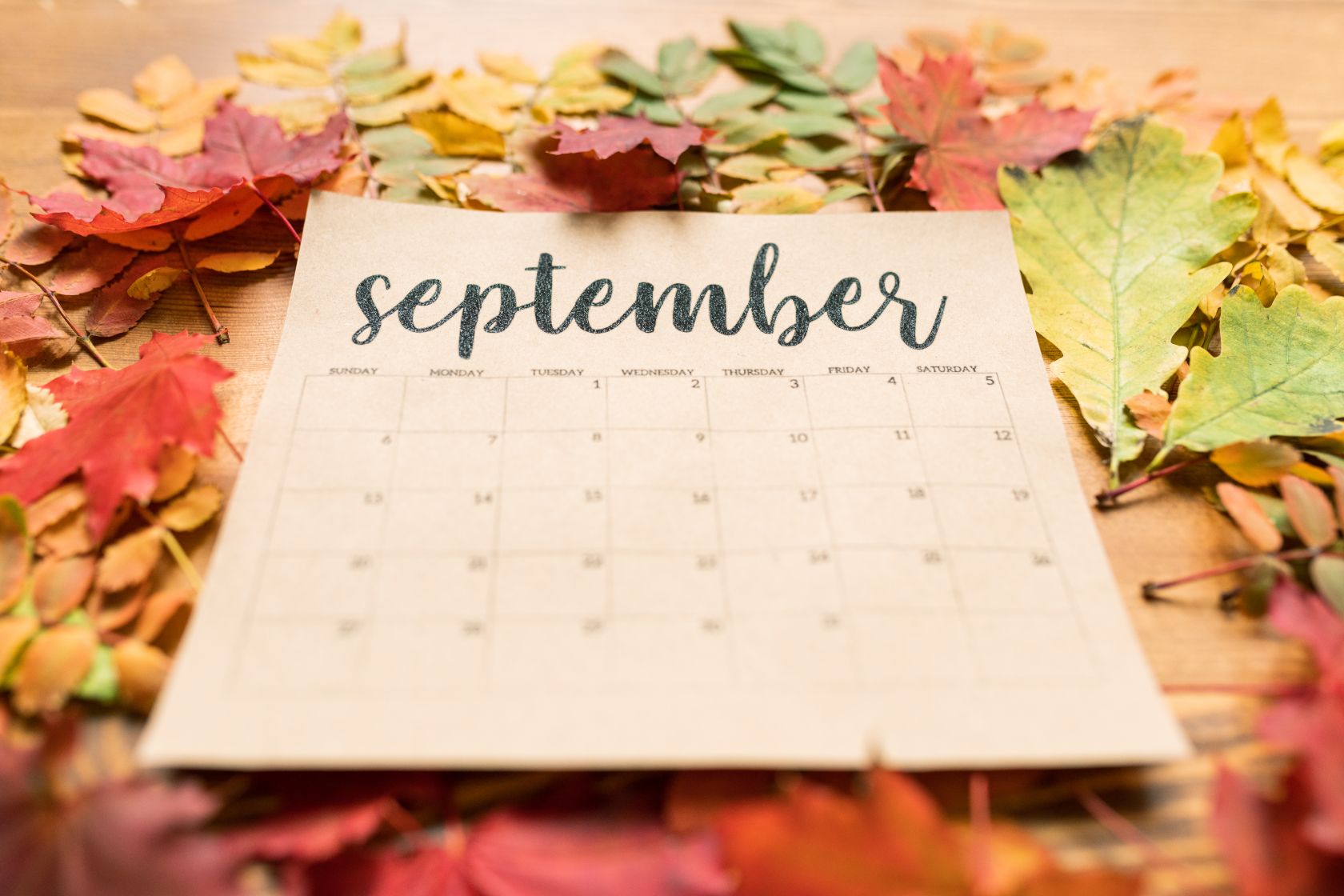
The same moment brought spring to the Southern Hemisphere. While days will gradually get shorter in Portugal and the rest of Europe, they will be getting longer in places such as Australia and South Africa.
The change is marked by the September equinox. NASA gives its exact time this year as 00:05 UTC.
What actually happens at the equinox?
Earth is tilted as it travels around the Sun. For part of the year, the Northern Hemisphere receives more direct sunlight; for the other part, the Southern Hemisphere does. At the equinox, the Sun crosses the equator, and both halves of the planet receive roughly the same amount of daylight.
Despite its name, the equinox does not give us exactly 12 hours of daylight and 12 hours of darkness. The difference is only a few minutes. As Time and Date points out, we can see the top of the Sun before it has fully risen and after it has begun to set. Our atmosphere bends its light, adding a little more daylight.
Didn’t autumn start weeks ago?
That depends on which calendar you use. Meteorologists count autumn as September, October and November, so for weather records it began on 1 September. Astronomical autumn starts with today’s equinox and runs until the winter solstice in December. The Met Office uses both definitions.
Of course, neither date tells you what to wear today. In the Algarve, an autumn afternoon can still feel very much like summer. The change many of us will notice first is in the light: sunset arrives a little earlier each day, even if there is still time for a trip to the beach.
 Add as a preferred source on Google







 Portugal Handbook
 English
 Nederlands
 Deutsch
 Français
 Español
 Italiano
 Svenska
 Pусский
 中文
中文 Türkçe
 Português
 Czech
Czech Hungarian
 Polski
 عربي
عربي Suomi
Suomi עִברִית
 Português (Brasil)
Follow us on social media