


I don’t know about you, but I find Sundays immensely tedious these days. I get up and wonder how the devil I’m going to fill the day, even here in sunny Portugal. You see, I hate gardening and I detest domestic chores even more. I reckon that dogs stink, so I can’t take one of those things for walkies either. Sabbath boredom means that I probably have the cleanest car in the whole of the Algarve.
Anyway, back in the day, I used to look forward to turning on the radio on a Sunday afternoon to listen to the latest Top Twenty countdown. Has the new David Bowie single made the Top 10? Would ABBA climb another place? Has Queen finally knocked somebody off the top spot?
Of course, it all goes back way before my time, because the UK Singles Chart began in 1952, when the New Musical Express compiled a Top 12 from sales reported by record shops. It soon became the Top 20 (in 1954 to be precise). By the 1960s, “the charts” had become part of the fabric of British popular culture. And then, it all came to television via Top of the Pops. For more than four whole decades, Thursday night meant one thing: a procession of weird hairstyles, weird trousers, lots of dry ice, leggy dancers and people pretending to sing whilst looking utterly terrified.
The first programme aired on New Year’s Day 1964, with The Beatles at Number One. The Rolling Stones and Dusty Springfield also appeared. In its 1970s heyday, Top of the Pops could command audiences approaching 19 million. Nineteen million! That’s not a television audience, that’s nearly twice the population of Portugal!
Watch the full video here 👇👇👇
The number one
So, when exactly was the golden age of the British charts? Good question. The answer depends on one’s age. For somebody who grew up in the 1960s, it was the era of The Beatles, Rolling Stones, The Kinks, The Who, Dusty Springfield, Motown and Cliff Richard. For the 1970s generation, there was Bowie, Queen, ELO, Abba, T. Rex, Slade, The Bee Gees, punk, disco and an extraordinary amount of flared denim. The 1980s brought Madonna, Michael Jackson, Prince, Duran Duran, Wham!, Culture Club and The Human League. Then, hey presto, in came the 1990s: Oasis, Blur, The Spice Girls, Take That, Robbie Williams and Nirvana all made perfect sense at 2am but considerably less so in the cold light and sobriety of daylight. The 2000s had their own stars: Beyoncé, Eminem, Coldplay, Britney, Rihanna, Lady Gaga and countless winners of television talent shows.
Disappeared
Top of the Pops finally disappeared in July 2006.
By then, however, it was already struggling. In 2003, the BBC moved it from BBC One to BBC Two but this didn’t reverse its declining audience. Its final regular episode attracted just under four million viewers.
So, did killing Top of the Pops kill interest in the charts? Well, not really. The decline of Top of the Pops wasn’t in of itself the cause of the collapse of the old chart culture, it was more a symptom of it. By the time the BBC pulled the plug, the internet had already changed everything. People no longer had to wait until Thursday night to see their favourite bands; we could watch the videos online, download our favourite songs, buy music without leaving the house and eventually we could even stream whatever we fancied whenever we fancied it. The old chart culture was built around scarcity. By that I mean, we had to physically go out to buy the physical record and it cost physical money. We went to Woolworths, W H Smith or the local record shop, handed over our precious pennies and walked home clutching seven glorious shiny inches of wonderfully tangible vinyl.
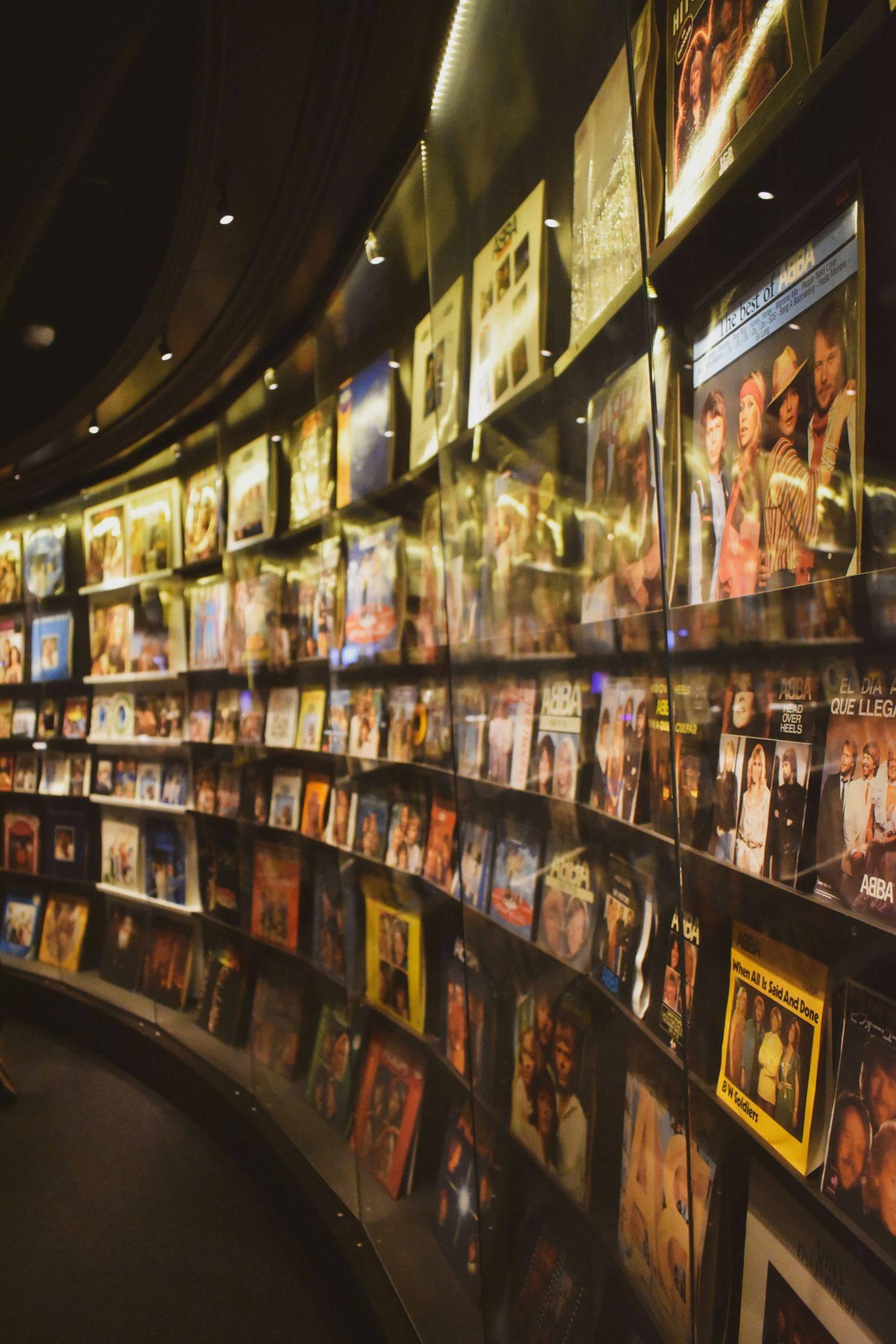
The chart didn’t die, it evolved
The Official Charts Company still exists and remains remarkably influential. The modern Official Singles Chart is compiled from an enormous quantity of consumption data, incorporating physical sales, downloads and streams alike. The organisation says it captures more than 99% of UK singles consumption and combines data from around 8,000 sources. Streaming became part of the Singles Chart in 2014 which changed the mathematics completely. Today, one person can listen to the same song dozens of times. Millions of people can do precisely the same thing, so the data is a bit skewed. By 2022, audio and video streaming accounted for 98.6% of the singles market but the whole thing is arguably less of a cultural event.
The charts today
The old record charts told a story. We could see a song climbing and eventually (hopefully) getting to Number One. We all knew the contenders, we taped songs off the radio and if Tony Blackburn announced that our favourite had gone up six places, we were delighted. Today, there’s less suspense because there’s less waiting. And the waiting, oddly enough, was part of the fun.
The older contingent of our expat community in Portugal will understand all this as well as anyone. We’ve lived through the transformation from vinyl to cassette, cassette to CD, CD to download and download to streaming. Some will remember when the only way to hear British or Irish radio in Portugal was to find the right bit of the dial and pray atmospheric conditions were favourable. Now we can listen to Radio 1 in the Algarve whilst ordering an Uber Eats curry in Vilamoura.
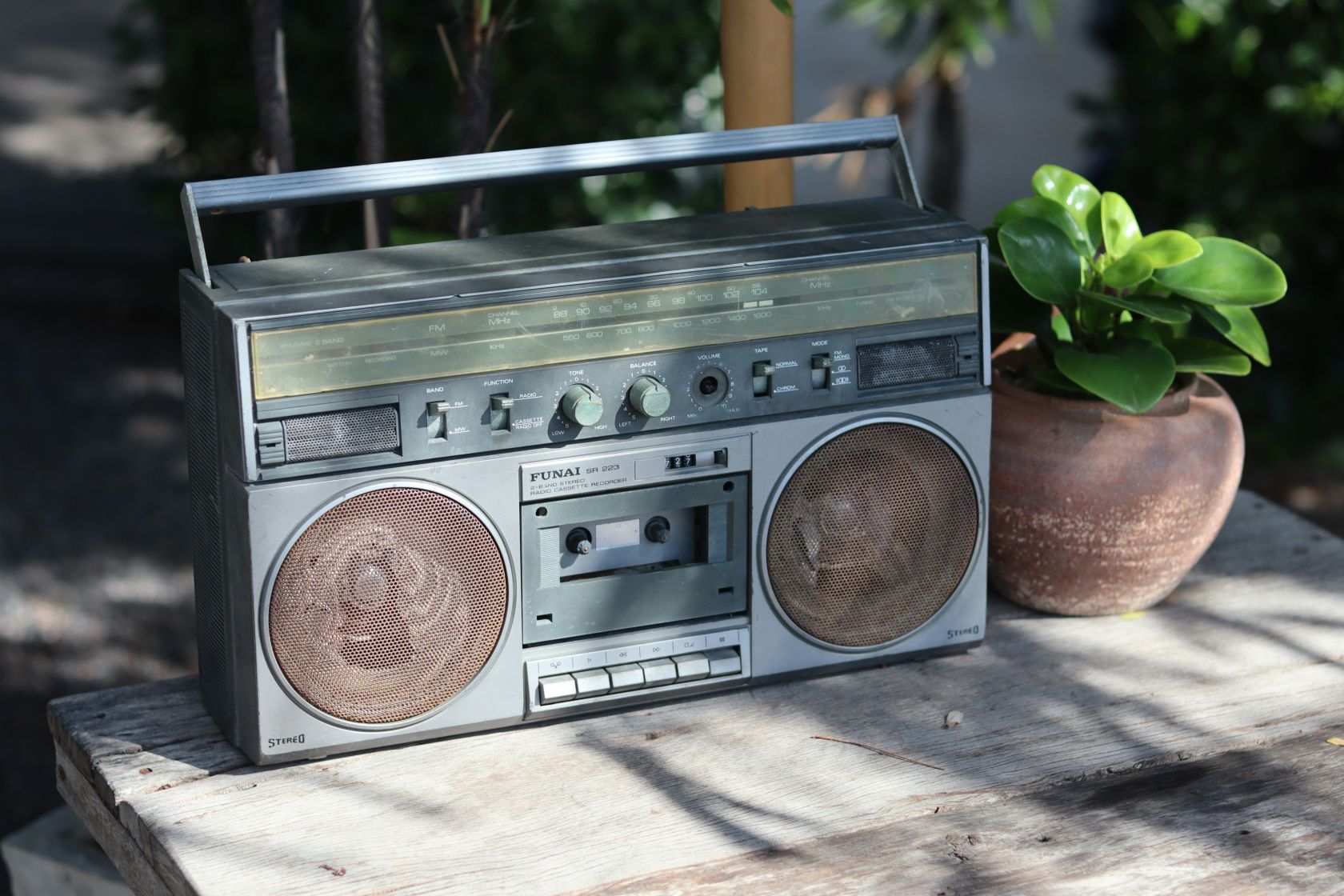
Will the charts make a return?
Possibly. But probably not in the way we remember them.
The amazing thing is that the chart itself has survived remarkably well. The Official Singles Chart still appears every week. BBC Radio 1 still broadcasts the official chart on Fridays. There’s even a Sunday first Look at the Top 20. So, the institution isn’t dead.
There are now thousands of ways to discover music. Streaming services have their own playlists. TikTok can turn an obscure song into a global hit, YouTube has its own ecosystem and radio competes with podcasts. The chart no longer tells us what everybody is listening to, it tells us about the available data.
So, would bringing back Top of the Pops work? Hmm? Probably not. Not as it was anyway. Imagine today’s presenters introducing an act at Number 37 while a studio audience stands behind them holding enormous cardboard letters. But there’s surely room for something similar? A proper television music programme that treats the chart as an event rather than an algorithm.
Nostalgia
Somewhere, this Sunday, a person of a certain age will be sitting beside a radio, counting down from 20. The person will hear the opening bars of an old classic and be transported back to a bedroom with an orange-and-brown duvet and a poster of somebody whose hairstyle now looks quite alarming. Briefly, that individual will be 17 again. That’s the magic of the charts, they were never really about numbers; they were about where we were, when we heard THAT Number One. No algorithm, playlist or streaming service will ever replace that feeling.
 Add as a preferred source on Google






 Portugal Handbook
 English
 Nederlands
 Deutsch
 Français
 Español
 Italiano
 Svenska
 Pусский
 中文
中文 Türkçe
 Português
 Czech
Czech Hungarian
 Polski
 عربي
عربي Suomi
Suomi עִברִית
 Português (Brasil)
Follow us on social media