


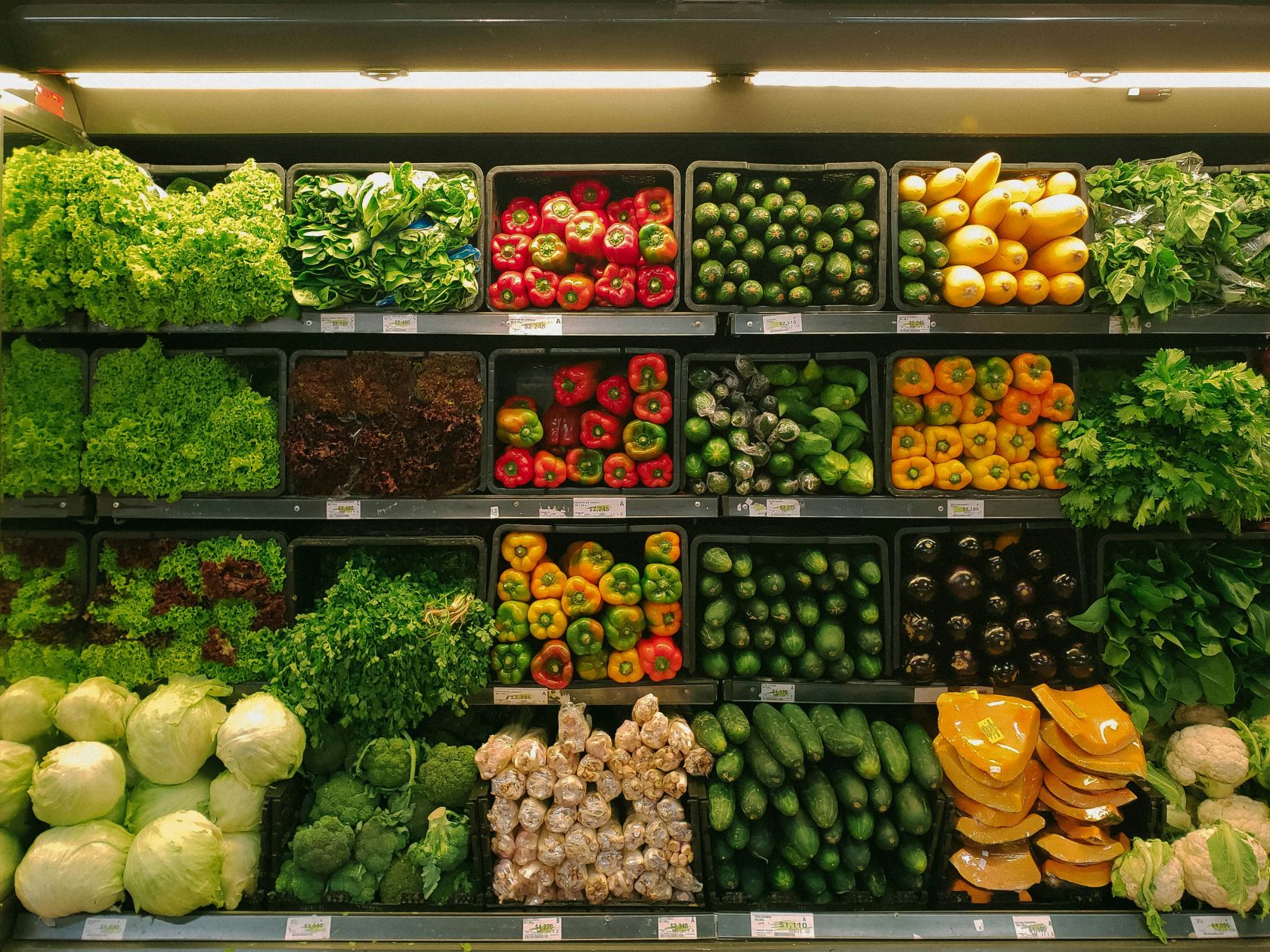
The results of the public opinion study on measures to promote healthy eating, conducted in 2025 with a representative sample of 1,000 adults residing in Portugal, are published in the report of the National Program for the Promotion of Healthy Eating (PNPAS) of the Directorate-General of Health.
“The data from this study show that measures to promote healthy eating have high social acceptance, which is quite positive,” PNPAS director Maria João Gregório told Lusa.
Taxes on food
Among the measures evaluated, the differentiated application of ICMS (Tax on Circulation of Goods and Services) based on the nutritional quality of food and beverages gathered the most support, reflecting appreciation for fiscal measures aligned with public health objectives.
Industry
Measures related to agreements with the food industry and distribution sector, and the definition of maximum values for the amount of salt and sugar in certain food categories, also showed significant levels of acceptance.
Food portions
However, opinions were more divided on reducing food and beverage portion sizes and restaurant menus, although agreement levels were above 50%.
Children and young people
Measures directed at spaces frequented by children and young people obtained particularly high levels of support. The predominantly healthy food offering in daycare centres and schools registered agreement levels above 90%, as did the free meals in these places.
Group work
According to Maria João Gregório, the results show recognition of the importance of creating healthier food environments, especially in spaces intended for children.
"The Portuguese do not see the promotion of healthy eating as merely a matter of individual responsibility," he said, arguing that there is "significant support for measures in this area to actually make food environments healthier."
Measures aimed at improving food availability in higher education institutions, healthcare institutions, and workplaces also received strong agreement.
Supermarket position
The same pattern emerged for limiting unhealthy foods in prominent supermarket locations, a measure that aims to reduce the influence of product exposure at the point of purchase.
The study also reveals strong consensus on the presence of drinking fountains and the availability of tap water in public spaces and in the restaurant sector.
In the area of consumer information, there was also strong acceptance of measures such as the implementation of simplified nutritional labelling systems on the front of packaging, the regulation of the use of nutritional and health claims, and the provision of nutritional information on restaurant menus.
Nutritional information
According to the head of the PNPAS, these results show the importance of making nutritional information available "in a simple and clear way," while reinforcing the need to create conditions that facilitate healthier food choices.
Regarding the report's data, Maria João Gregório said that, on the one hand, they indicate "positive and important signs," but, on the other hand, "inadequate nutrition continues to be one of the major public health challenges in Portugal."
"The data continues to show that inadequate eating habits are the fifth risk factor for the loss of healthy years of life and that we also have more than 50% of the population overweight," she stressed.
Nutrient deficiency
According to the document, low consumption of whole grains, high consumption of red meat, and high sodium intake are the three main factors contributing to the loss of healthy years of life.
According to the National Health Survey (2025), 44.7% and 46.5% of children consume fast food or ultra-processed foods and sugary soft drinks at least once a week, respectively.
In 2025, the prevalence of moderate or severe food insecurity in Portugal decreased to 3.5%, the lowest level since 2019.
Cases of malnutrition and obesity
In hospital admission episodes, malnutrition continues to be the most prevalent diagnosis related to nutritional status, followed by obesity.
"Between 2020 and 2025, a decrease in malnutrition and an increase in obesity were observed, while episodes with a diagnosis of sarcopenia showed an increasing trend, possibly influenced by the improvement in the clinical coding of this condition," the document highlights.
 Add as a preferred source on Google





 Portugal Handbook
 English
 Nederlands
 Deutsch
 Français
 Español
 Italiano
 Svenska
 Pусский
 中文
中文 Türkçe
 Português
 Czech
Czech Hungarian
 Polski
 عربي
عربي Suomi
Suomi עִברִית
 Português (Brasil)
Follow us on social media