



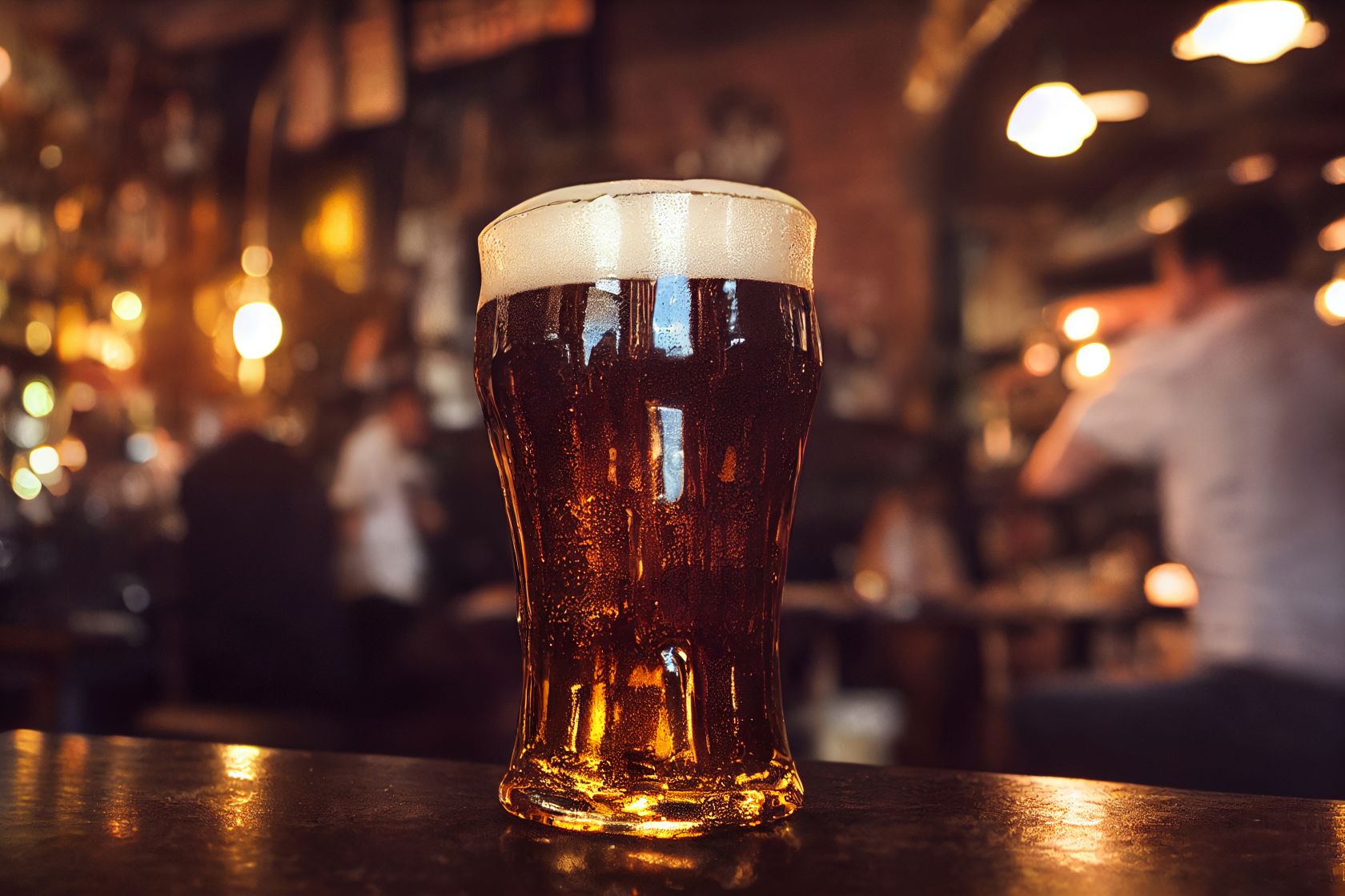
Sadly, the price of a pint in the UK these days is pretty hefty, as brewers and landlords alike are forced to pass on escalating costs.
It's not just energy prices that are forcing up costs. Inflation, which is partially caused by spiralling energy prices, is pushing up rents. Then, there are the rising wholesale costs of food and drink to consider. Representatives from some of the UK's biggest breweries have recently called for "immediate government intervention" to help alleviate problems faced by an increasingly beleaguered hospitality sector.
I don't mind declaring that I enjoy a few beverages from time to time. Like many other British drinkers, my occasionally debauched habits mean that I've got to know quite a few great British pub landlords (and landladies) over the years. Some of these people have become personal friends. From knowing them, I also became somewhat familiarised with the day-to-day struggles faced by pub landlords. These are a breed of people who always seem to do their utmost to run decent establishments. They pride themselves on providing the rest of us with convivial environments where we can drop in to enjoy a refreshing drink or two.
Economic conditions
What’s always been obvious to me is that running a good pub was never easy.
One reason for this is that various authorities seem to treat such businesses as cash cows. That's to say, everyone from big breweries to local authorities to HMRC, all seem to want a slice of the proverbial cake. Hardly anyone cares that landlords themselves are often left with nought but crumbs, having done all the graft. Sometimes landlords only earn enough to pay exorbitant bills which so regularly land on their doormats. Massive hikes in energy costs, coupled with higher staffing costs as well as rising beer prices, have only compounded the issues they face.
This is another perfect storm in a whole world of raging climates. It's not just landlords facing rising costs in this currently volatile environment, as the punters are facing challenging economic conditions too. Clearly, if punters have to reel in their spending, it won't matter how good the pubs are.
Let's be candid, compared to Portugal, beer prices in the UK have been inflated for a long time. Sometimes prohibitively so, especially in parts of London and the Southeast. Some bars already routinely charge up to £8 or more for a single pint of beer. Upping prices any further will simply force more drinkers to think twice.
The truth is stark. Increasing costs are becoming more difficult for pub landlords to simply absorb. Despite already high bar tariffs, profit margins have been getting increasingly thin. As we've seen, even before the most recent hikes in running costs, pub businesses faced increased business rates and hikes in many other overheads. These extra costs have simply been the death knell for many pub business models.
Obviously, the closure of such premises means they provide no business rates for local authorities, yet another outlet is lost to the brewery, and several local jobs are lost. Everyone loses. But, there seems to be little desire to act to try and help save troubled pubs from permanent closure. Does this not seem short-sighted? Especially if we repeat this kind of story hundreds of times all over the country? This is not conjecture. It's happening right now. An estimated 14 pubs are closing each and every week in the UK alone.
Hospitality sector
If we look back just a few years, things had begun to look a little bit more rosy for the hospitality sector. The Treasury had spent billions trying to save hospitality businesses and jobs. To a large extent, the government's strategies (including furlough during COVID) seemed to have saved many businesses from disaster, although not every single one.
After stubborn travel restrictions in the aftermath of the pandemic were lifted, including the need for complicated and sometimes expensive COVID tests remaining in place for a long time afterwards (as far as overseas travel was concerned), the buzzword became "staycation". And staycations, alongside some unusually good British weather, provided the UK hospitality sector a much-needed boost. In many areas, finding accommodation actually became quite a challenge, because everything was getting snapped up by people keen to have some kind of post-lockdown get-away. Such was the demand that even if accommodation could be found, it was often hideously expensive. It got so busy that during the summer holidays of 2021, most restaurants in popular locations needed to be booked in advance with deposits taken to secure tables.
So, good times seemed to have returned, and the UK economy (albeit from a pretty low base) began to grow again. It grew to the extent that the stresses of pandemic-honed supply chain issues started to filter through. It also created a staffing crisis. For this, some pundits blamed Brexit. But the truth is, similar problems appeared all over Europe and far beyond. The world was short of everything from lorry drivers, warehouse hands, chefs, waiting staff, dentists - you name it. It was a factor that was holding back economic recovery. These shortfalls soon became particularly noticeable in the UK, which had, for a time, the fastest level of economic growth in the G7. The more the economy grew, the greater the staff shortages became, posing yet another expensive headache for the hospitality sector.
But now, fresh issues have raised their ugly heads. A new Labour administration marched into Downing Street complete with a hefty parliamentary majority. They looked at the books and, unlike the Tony Blair government of 1996, they didn't discover a whopping great fiscal surplus. Nope, it was a whopping great deficit. The pandemic, the war in Ukraine and the resulting energy crisis had all taken their toll. The cupboard was basically bare.
Profitability crisis
Who to tax? Well, no government can take much from the already financially beleaguered and those already living on the breadline, because there's nothing there to take. So, Chancellor Reeves looked at small businesses and farms, suggesting that it should be these local businesses who must pay their “fair share".
Still feeling the pinch from energy price spikes, such businesses now had to pay more in National Insurance contributions, Inheritance Tax, face higher minimum wage settlements, as well as navigate prohibitive employment rules that make taking on additional staff far riskier than ever before.
So, hospitality now faces a dilemma. Do they absorb higher costs and risk a profitability crisis, or do they pass on the costs, hoping their customers will simply shoulder the burden? All of these were salient factors before we even saw the latest war in Iran.
The reality is that many pubs now face the possibility of failing to pay their bills. Jobs are at risk. Without help, thousands of our beloved local pubs could soon be forced to close their doors.
Would this not mean that all the billions dished out to save the hospitality sector during the pandemic will be for nothing? Wasted. As taxpayers and punters, this should surely matter.
Set The Portugal News as your preferred source for news on Google
 Add as a preferred source on Google


 Portugal Handbook
 English
 Nederlands
 Deutsch
 Français
 Español
 Italiano
 Svenska
 Pусский
 中文
 Türkçe
 Português
 Czech
 Hungarian
 Polski
 عربي
 Suomi
 עִברִית
 Português (Brasil)

Follow us on social media