


All this is true, but there is another problem that will gain weight in the coming years: a significant part of the existing building stock may no longer meet the demands of the market. The transformation has already begun. Companies, investors and financiers are increasingly looking at energy efficiency, running costs, technology, flexibility and adaptability. A building that still finds occupants today can quickly become less competitive if it consumes too much, requires high maintenance costs or does not keep up with the new needs of companies and users.
This is where an increasingly evident division between quality assets and obsolete real estate begins to form. For many years, a good location could compensate for almost everything. An old building in the central area was still attractive simply because it was in the right location. This principle will not disappear, but it is beginning to have limits. When occupiers seek to reduce energy costs, investors incorporate sustainability criteria, and banks better assess the future risk of assets, obsolescence is no longer just a technical problem: it becomes a financial problem.
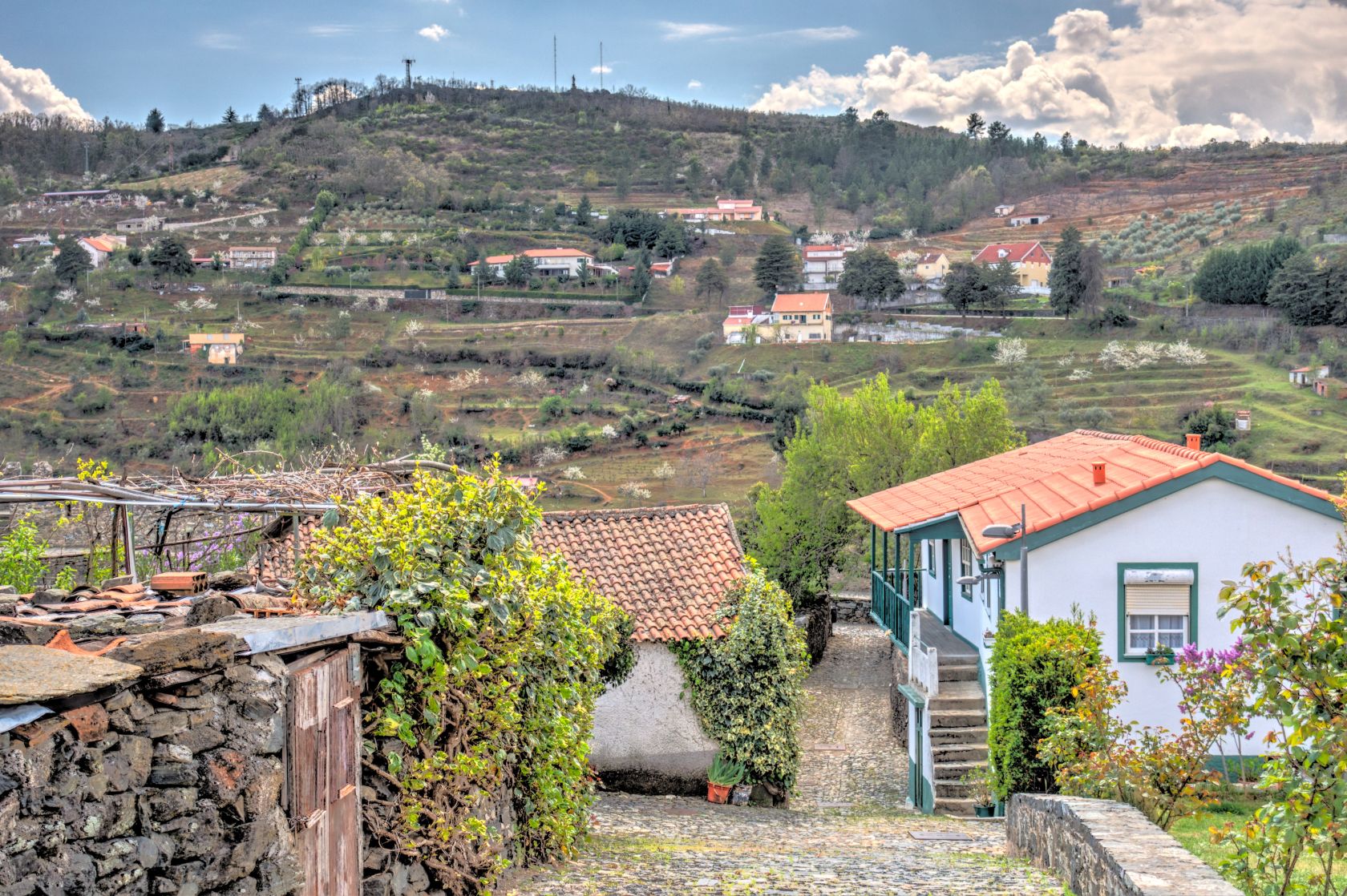
This could have an important consequence for Portugal: the next big real estate investment cycle may not only happen through new construction, but also through the rehabilitation and repositioning of existing stock. And perhaps this is precisely where one of the biggest opportunities in the market lies. Lisbon, Porto and many Portuguese cities have thousands of well-located buildings, but with very different levels of efficiency, comfort and technological preparation. Rather than just thinking about demolishing and building anew, it will be necessary to find faster and more cost-effective ways to adapt these assets to the demands of the next decade.
Funding will also play a decisive role. If banks start favouring more efficient buildings and penalising assets with higher risks of obsolescence, the cost of capital itself will accelerate this transformation. The market will distinguish not only between good and bad locations, but between buildings that are fit for the future and buildings whose value requires additional investment. This change may be uncomfortable for some owners, but it is healthy for the market, because a mature real estate market is not only measured by the amount of new construction: it is also measured by the ability to preserve, transform and improve what already exists.
Portugal needs more supply. But it also needs to ensure that the supply it already has does not age faster than the market that demands it.
 Add as a preferred source on Google







 Portugal Handbook
 English
 Nederlands
 Deutsch
 Français
 Español
 Italiano
 Svenska
 Pусский
 中文
中文 Türkçe
 Português
 Czech
Czech Hungarian
 Polski
 عربي
عربي Suomi
Suomi עִברִית
 Português (Brasil)
This needs to be tied to new visa applications and people offered areas where population is in decline along with attaching to this that it is subject to buying and restoring property a bit like in Spain and in Italy which is ahead of the curve.
By Toby Lee from Alentejo on 09 Aug 2026, 11:03
While this article focusses a lot on domestic and residential developments and house, what is being stated is spot on! In real estate development the key words used by investors and banks is "stranded assets". This means that the house (or apartment building) no longer meets regulatory standards or levels of efficiency needed by the market. In other words, banks will not provide loans and investors will not fund it nor pay the seller's price, because it will cost to much to maintain, cost too much to run or cost too much to get it to the efficiency needed.
This has been happening across the world, with hundreds of examples in Europe (not only Portugal) of hotels, residential complexes and office blocks not meeting regulations and efficiencies.
Unfortunately the tax structures in Portugal have not helped this, and there are hundreds of older houses that are unliveable now because they have been vacant for so long, but family members inheriting them simply won't sell them because of the tax they would need to pay.
(I know of 5 in my little village of 600 people). This has changed a bit in the last months, but these houses would require substantial remodelling to fit a modern, appliance-filled residence.
By Tony Williams from Beiras on 15 Aug 2026, 10:52