


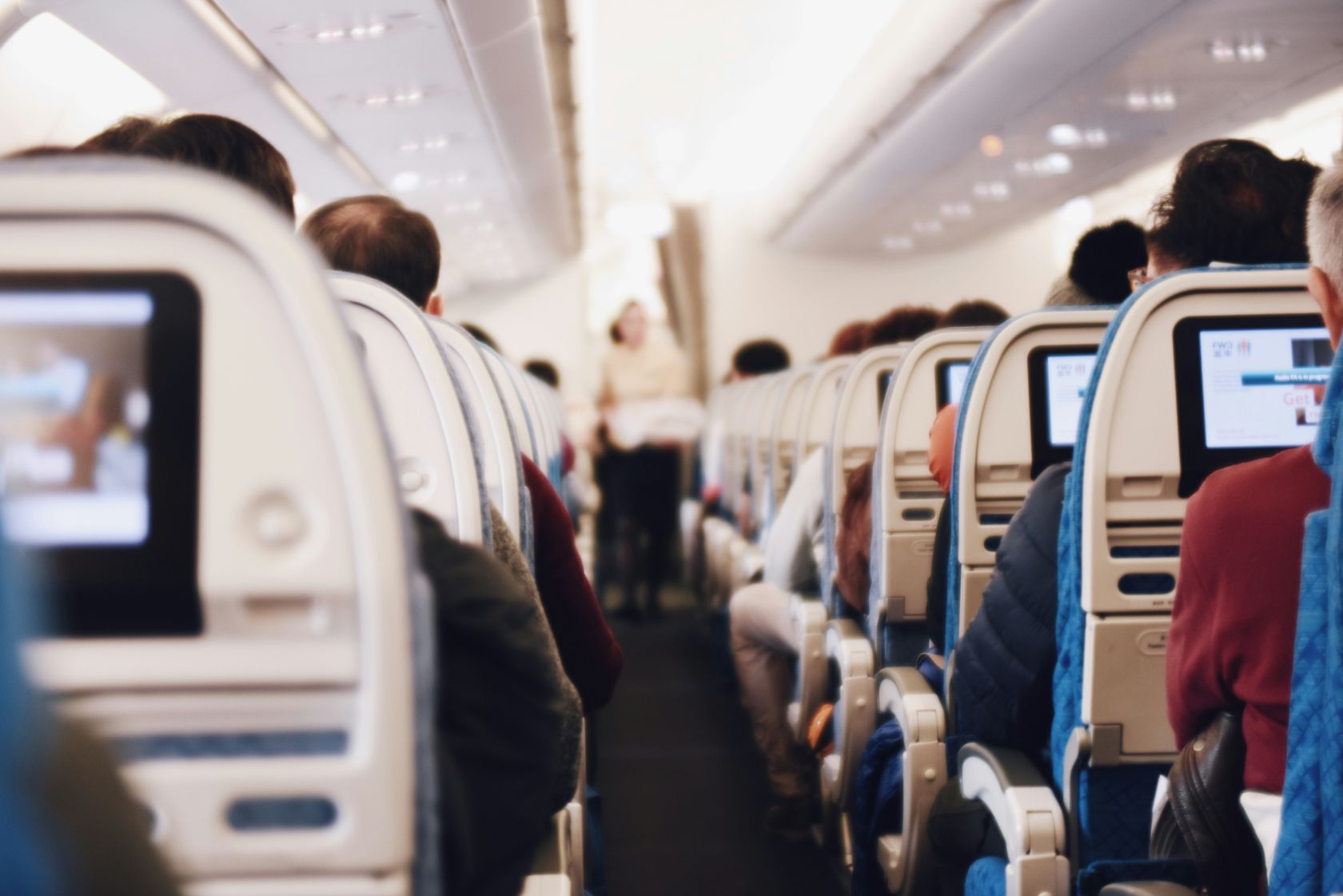
Between 1 June and 31 August, Europe’s aviation network handled an average of 35,959 flights each day, an increase of 2.4 per cent compared with the same period in 2025.
The busiest day came on 10 July, when 37,640 flights crossed European airspace, setting a new record for the network.
Figures released by Eurocontrol show that Portugal also recorded its busiest-ever day for arrivals and departures during the summer. The exact number of flights handled in Portugal on that day was not included in the report.
Portugal was joined by countries including Ireland, Italy, Spain, Greece, Slovakia and Turkey in reaching new daily highs.
Despite the increase in traffic, the summer ran more smoothly than the previous year in several areas. Almost 73 per cent of flights arrived within 15 minutes of their scheduled time, an improvement of 1.2 percentage points compared with summer 2025.
Air traffic management delays also fell by 17 per cent, averaging 3.27 minutes per flight. However, around 681,000 flights were still affected by air traffic restrictions during the three-month period, equivalent to approximately one in every five flights.
For passengers travelling through Lisbon, punctuality remained a problem. Lisbon Airport recorded the lowest departure punctuality among Europe’s 30 busiest airports, with only 52 per cent of flights leaving within 15 minutes of their scheduled time.
However, this was still an improvement of nine percentage points compared with the previous summer, one of the largest improvements recorded among the airports included in the report.
TAP recorded an arrival punctuality rate of 68 per cent. Air traffic restrictions caused an average delay of 4.7 minutes per TAP flight, with congestion in French and Spanish airspace, as well as at Lisbon Airport, having the greatest impact.
Overall, the summer performed better than Eurocontrol had expected, particularly as European airspace continued to be affected by the conflict in the Middle East.
Almost half of en-route delays were linked to limited air traffic control capacity and staffing, while severe weather was responsible for 43 per cent. Industrial action caused only one per cent of delays.
Eurocontrol is now using the summer’s results to prepare for 2027, with plans focusing on recruiting more air traffic controllers, modernising systems and increasing capacity as the number of flights across Europe continues to grow.
 Add as a preferred source on Google







 Portugal Handbook
 English
 Nederlands
 Deutsch
 Français
 Español
 Italiano
 Svenska
 Pусский
 中文
中文 Türkçe
 Português
 Czech
Czech Hungarian
 Polski
 عربي
عربي Suomi
Suomi עִברִית
 Português (Brasil)
Follow us on social media