


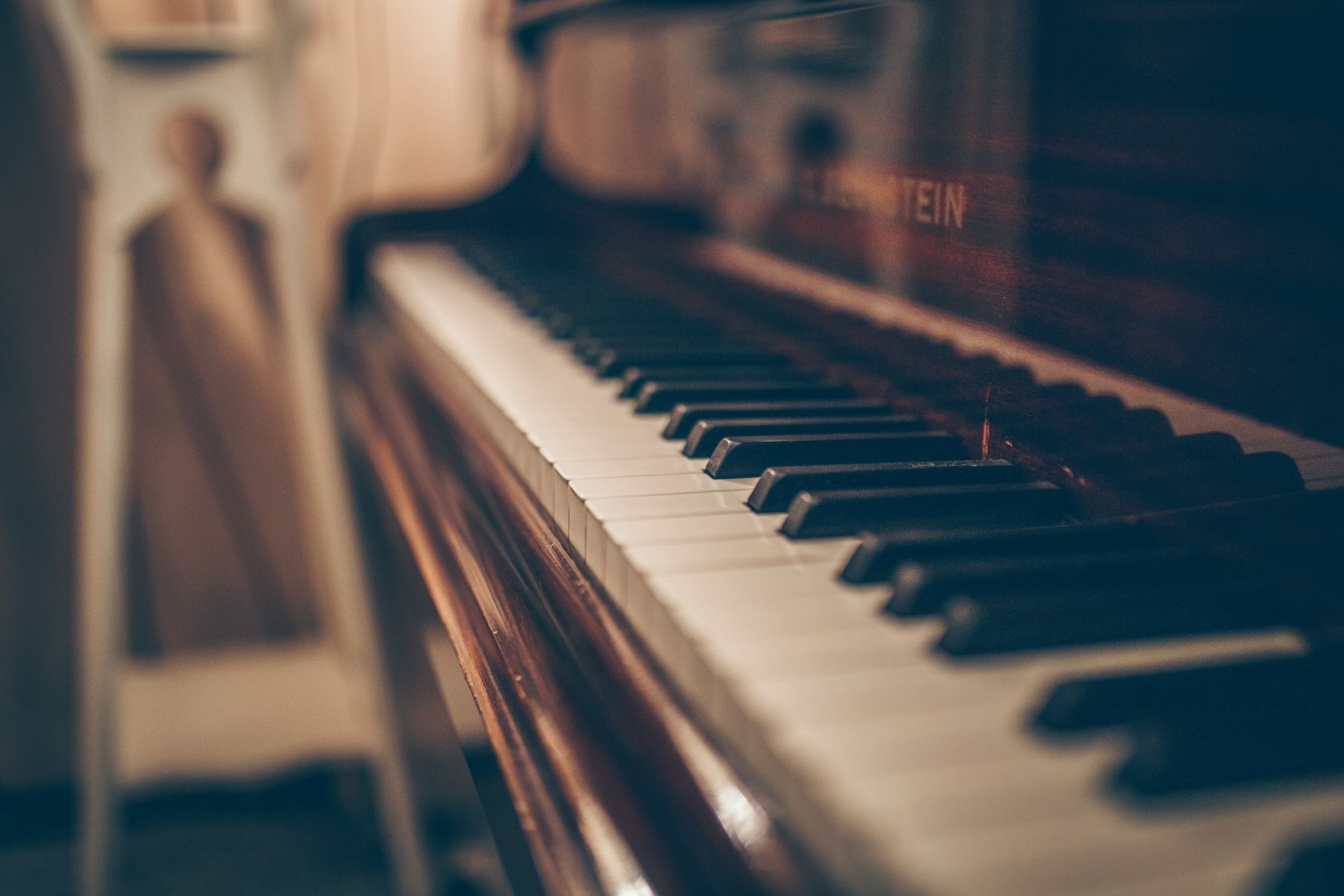
Four years on, they split them into those who’d kept playing and those who’d drifted off. The people who stuck with it held on to verbal memory - and even grey matter in a part of the brain tied to movement and learning - that the quitters had lost.
The lovely thing is what the study did not require. Nobody had to be good. There was no exam, no recital, no audience. Just ordinary, regular playing - for its own sake - tracking with a younger-looking memory. “It’s never too late to start playing an instrument,” the lead researcher said, “and starting in old age may have major benefits.”
I want to be honest about what this is: people who kept a hobby differ from people who drop it, so we can’t say the music alone did all of it, and nobody is claiming it prevents dementia. But as bargains go, it’s a good one. You take up the ukulele, the piano, the tin whistle in the drawer, purely because it’s fun - and your memory may get a little extra exercise along the way.
Ten minutes counts. One tune counts. Even finding the same wrong note every afternoon probably counts as practice.
So consider this your nudge to make a joyful noise. Badly is fine. Badly, it turns out, still counts.
Set The Portugal News as your preferred source for news on Google
 Add as a preferred source on Google








 Portugal Handbook
 English
 Nederlands
 Deutsch
 Français
 Español
 Italiano
 Svenska
 Pусский
 中文
中文 Türkçe
 Português
 Czech
Czech Hungarian
 Polski
 عربي
عربي Suomi
Suomi עִברִית
 Português (Brasil)
Follow us on social media